Infertility Worldwide: Prevalence & Leading Causes
Infertility Around the World: How Common It Is & What Causes It
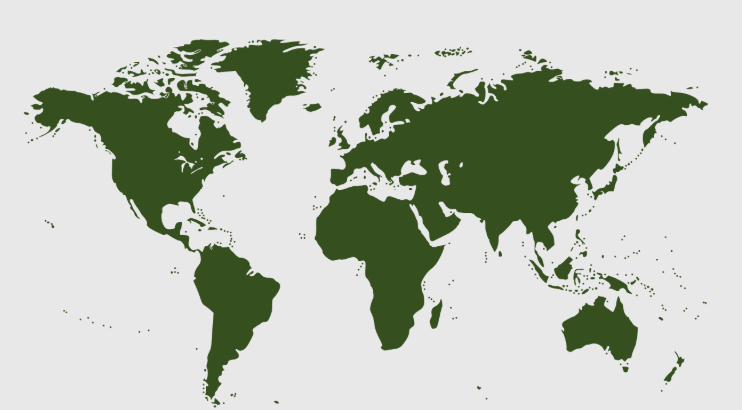
Infertility is a significant global health challenge affecting millions of people of reproductive age and their families. According to the World Health Organization, approximately one in six adults worldwide experiences infertility at some point in their lives [1]. These figures are consistent across high-, middle-, and low-income countries, showing that infertility does not discriminate by geography or economic status. Lifetime infertility prevalence is estimated at around 17.5%, with period prevalence — those currently experiencing infertility — at roughly 12.6% [2].
Clinically, infertility is defined as the inability to achieve pregnancy after 12 months or more of regular, unprotected intercourse [3]. This includes two recognised types: primary infertility, where no pregnancy has ever been achieved, and secondary infertility, where difficulty in conceiving occurs after a previous pregnancy [3].
Infertility can stem from a variety of biological, environmental, and lifestyle factors that affect either partner, and in some cases, remains unexplained.
Female Infertility Factors
In women, common causes include ovulatory disorders, such as polycystic ovary syndrome (PCOS), which affects up to 10–13% of reproductive-aged women and is a leading cause of anovulation [4]. Other causes include blockages or damage to the fallopian tubes, uterine abnormalities, and hormonal imbalances that disrupt normal reproductive processes [3]. Infections such as sexually transmitted infections or pelvic inflammatory disease can also damage reproductive structures and impact fertility [5]. Lifestyle and environmental factors, such as smoking, excess body weight, and high stress, can further compound these biological issues [6].
Male Infertility Factors
Men contribute to roughly 50% of infertility cases worldwide [1]. Common male-related causes include low sperm count, poor sperm motility, and abnormal sperm morphology, which can hinder fertilisation [3]. Hormonal imbalances, blockages in the reproductive tract, and conditions such as varicocele also play a role [5]. Lifestyle factors such as smoking, alcohol consumption, obesity, and heat exposure to the testicles are known to negatively affect sperm production and quality [6].
Lifestyle and Environmental Influences
Across populations, lifestyle and environmental factors significantly impact fertility. Smoking, excessive alcohol use, obesity, poor diet, sedentary behaviour, and exposure to environmental pollutants are all associated with reduced fertility in both women and men [6]. These factors can interact with biological conditions to further reduce the likelihood of conception without treatment.
Global Patterns and Research Gaps
Although infertility affects millions globally, significant gaps remain in understanding regional differences and specific causes due to inconsistent data collection. The WHO emphasises the need for better national data on infertility, including age-specific and cause-specific breakdowns, to support improved prevention, diagnosis, and treatment planning worldwide [2].
Understanding global prevalence and the complex interplay of causes empowers individuals and couples to seek timely evaluation and evidence-based care. Early diagnosis, appropriate fertility investigations, and access to care options can make a meaningful difference in reproductive outcomes and reduce the emotional, physical, and financial burdens commonly associated with infertility [1][2][3].
The biggest recommendation I make around this topic is always trying to understand what might behind your conception struggles. Thorough investigation of all parties is absolutely necessary to ensure appropriate and adequate treatment. It is worth noting that things can also change over time; blood results two years ago and a scan from 2010 won't be current enough to move forward. Chat with your fertility team to take next steps - knowledge is power!
-Your IVF Fairy Godmother
Sources
1. World Health Organization. Infertility: Fact Sheet. https://www.who.int/news-room/fact-sheets/detail/infertility
2. World Health Organization. 1 in 6 People Globally Affected by Infertility. https://www.who.int/news/item/04-04-2023-1-in-6-people-globally-affected-by-infertility
3. World Health Organization. Health Topics: Infertility. https://www.who.int/health-topics/infertility
4. World Health Organization. Polycystic Ovary Syndrome (PCOS). https://www.who.int/news-room/fact-sheets/detail/polycystic-ovary-syndrome
5. Centers for Disease Control and Prevention. Infertility Causes and Risk Factors. https://www.cdc.gov/reproductivehealth/infertility/index.htm
6. Mayo Clinic. Infertility Causes. https://www.mayoclinic.org/diseases-conditions/infertility/symptoms-causes/syc-20354317